


As AI pushes its way into every corner of our industry, I’ve found myself wrestling with a question that feels deeply personal: how does bringing these tools into our production workflow change my relationship with the talented creative professionals I’ve had the privilege to work alongside?
Let me give you some context.
A Lesson From the Set
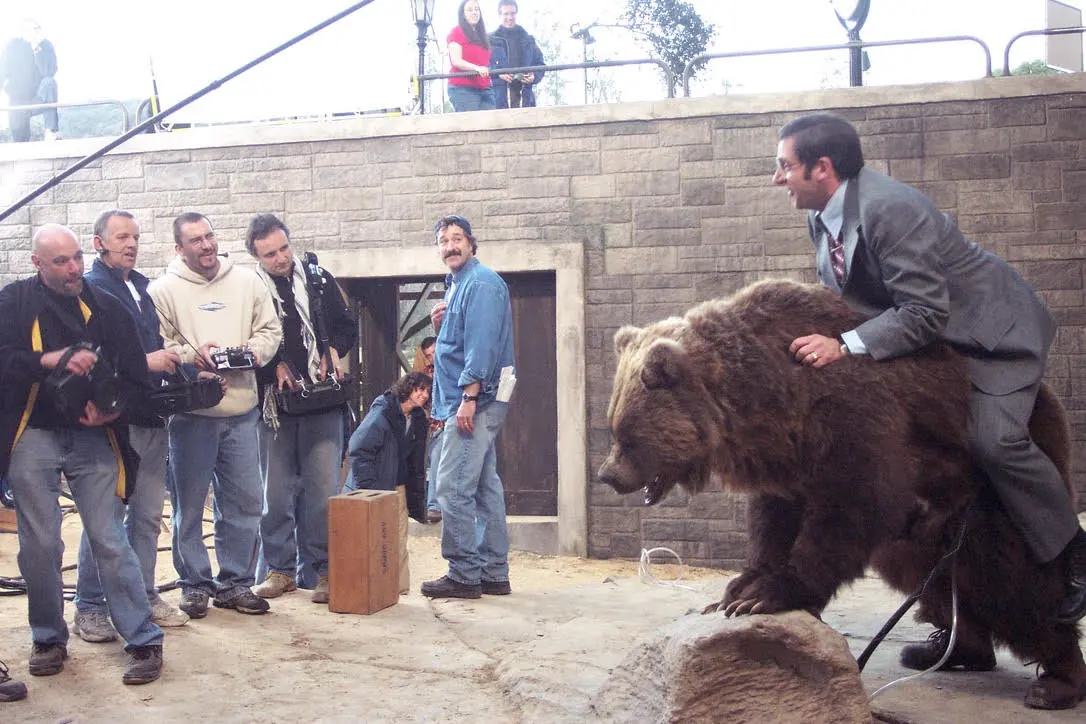
In the ’90s and early 2000s, I worked production managing animatronic units on motion pictures — titles like Beethoven, The Edge, Super Mario Brothers, and Anchorman. On a couple of those, I got to work as a puppeteer alongside the people who literally brought creatures to life.
Around the time we were working on Beethoven, Steven Spielberg’s team approached us about potentially building one of the smaller dinosaurs for the original Jurassic Park. We were close — but they ultimately decided to go with Stan Winston’s shop and also try something radically new: CGI. And now no one will ever forget the first time they saw the herd of Brontosaurus running through the field, or the terrifying T. rex attack that forever changed the way movies were made.
Within five years, most creature creation had moved to CGI — and most of the animatronics craftspeople and puppeteers were out of work.
The Real Conundrum
That history has shaped my hesitation. Integrating AI means potentially contributing to job loss in an industry I love — while at the same time, Carpe Canum needs to grow and deliver the highest quality, most effective spots for our clients’ budgets.
It’s not a comfortable place to sit. But it’s an honest one.
Where We Landed
After a lot of conversation — and a fair amount of soul-searching — Ryan and I made a decision: we would integrate AI tools into our production suite, not to replace our creative team, but to enhance what we do together and make better commercials.
The real power of Generative AI isn’t efficiency for its own sake. It’s creative freedom. You can now think beyond the limitations of a budget and be fully imaginative in ways that simply weren’t possible before. We’re combining Gen AI with all the proven production techniques we’ve refined over the years — and the results are genuinely exciting.
Seeing It In Action: ProphetX
A great example is a commercial we created for our client ProphetX. They needed a spot that was engaging, visually dynamic, and — importantly — easy to update frequently to feature a different sport each month, and at a limited budget.
Here’s how we built it:
- Opening scene: Generated using Gen AI and enhanced with motion graphics, with screen content that can be swapped out to reflect ProphetX’s latest odds and the featured sport of the month.
- Middle section: Built on a motion graphics template, allowing us to quickly update product screens and offerings to match the current campaign.
- End scene: A series of sport-specific AI-generated scenes, each tailored to match the CTA and the screen content can be updated quickly.
The result? A commercial that stays current, looks premium, and can be updated at a significantly lower cost per version.
What’s Next: Reaching the Hard-to-Reach
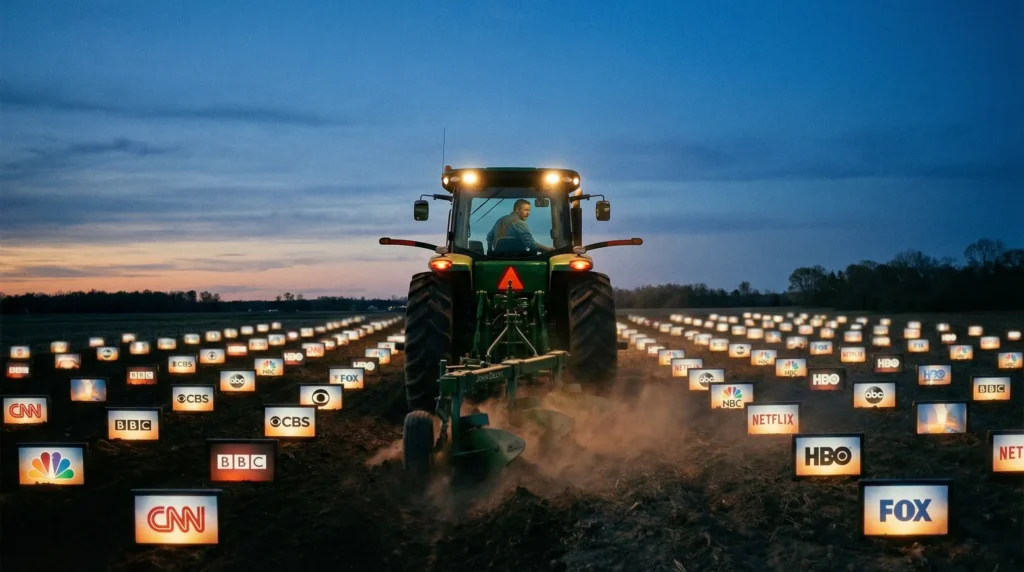
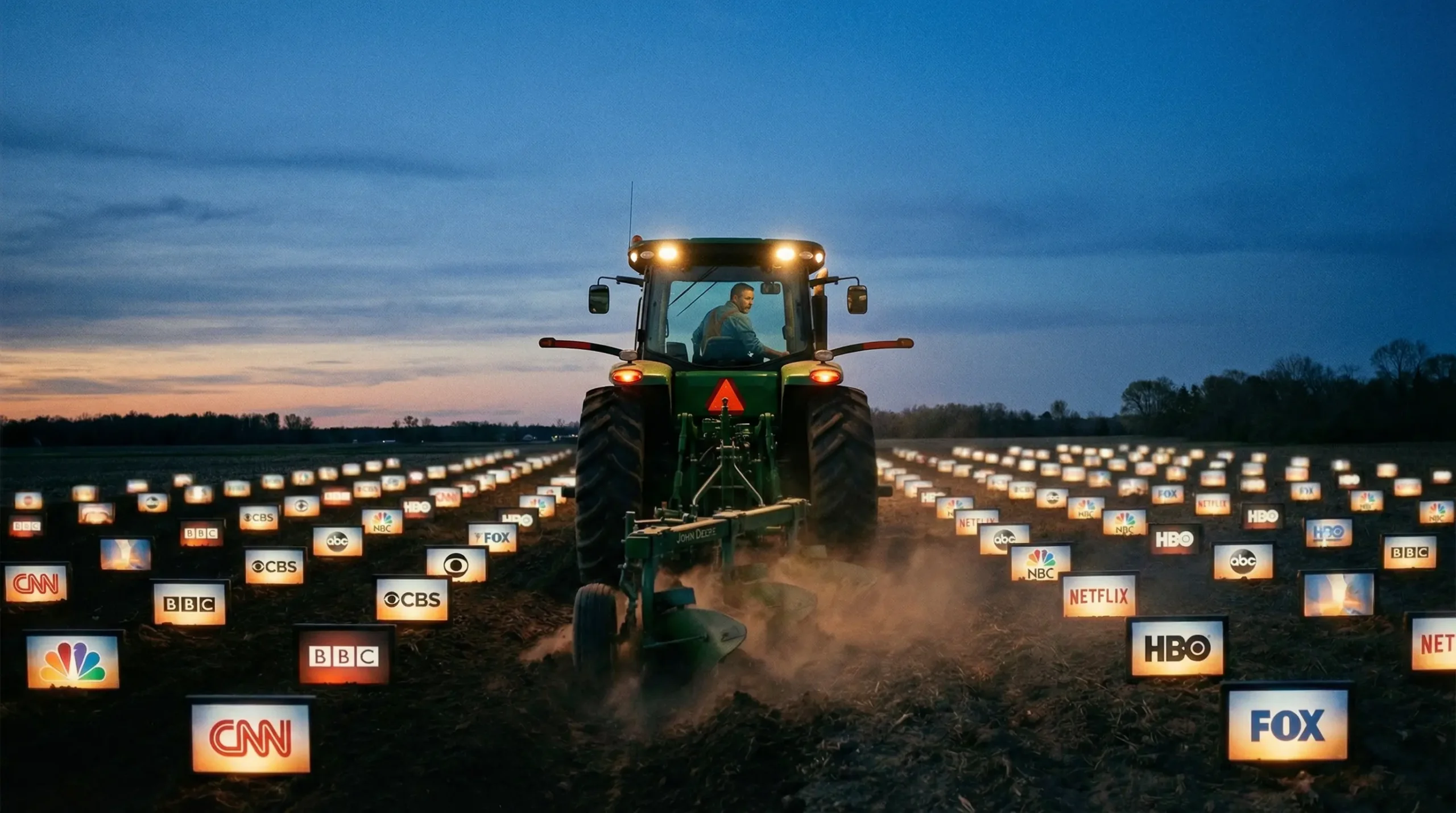
We have more in the works. One current project is for our client CTV Buyer’s Ag Network. They sell CTV advertising on agriculture-focused streaming channels — and the concept centers on a powerful truth: you can now reach the hard-to-reach Ag audience wherever they’re watching.
Using a combination of Gen AI and traditional production techniques, we’re delivering visually striking, effective creative that simply wasn’t possible in the low-to-medium budget world — until now.
Our Take
CGI didn’t kill storytelling — it expanded what storytelling could be. We believe Gen AI is the same kind of shift. The craft still matters. The relationships still matter. But now the canvas is bigger, and the tools are more powerful than ever.
Whether you want to use AI tools, traditional production techniques, or a combination of both — we’re ready to create something great for you.
Ready to explore what’s possible? Let’s talk about your project.
Reach out: carpecanum.com/contact-us